

In a world where AI is shaking things up, the question looms large: can companies really tell if you’ve been chatting with ChatGPT? Imagine your boss peering over your shoulder, trying to decode your every keystroke. It sounds like a scene from a sci-fi movie, but it’s a very real concern for many workers today.
As more people turn to AI for help with everything from emails to creative writing, the stakes get higher. Companies are on the lookout for signs of AI assistance, and they’re not just playing detective for fun. With the right tools, they might just catch you red-handed. So, before you hit that “send” button, let’s dive into the intriguing world of AI detection and find out just how savvy your employer might be.
Understanding ChatGPT Usage Monitoring
Monitoring AI tool usage in the workplace raises important questions about privacy and employer accountability. Employers can utilize various methods to detect when employees use ChatGPT or similar tools. Tracking software might flag unusual patterns in communication or writing that do not align with an employee’s typical style. Data analytics can reveal discrepancies in productivity metrics, indicating potential reliance on AI assistance.
Some companies implement monitoring programs that scrutinize internet activity. Such programs might log access to specific websites or applications, including ChatGPT. On top of this, companies often apply content analysis techniques to evaluate output for specific telltale signs of AI-generated text. Metrics include sentence structure, vocabulary complexity, and overall coherence.
In addition, many employers advocate for transparent policies on AI tool usage. Clear guidelines help employees understand acceptable practices, which can mitigate potential misuse. Training initiatives also assist employees in navigating AI tools effectively while maintaining productivity standards.
While AI detection methods improve, it’s crucial to note that none are foolproof. Much depends on the tools employed and the context of use. Feedback from employees about their experiences with monitoring can help shape more efficient practices. Ultimately, understanding how companies monitor the usage of ChatGPT fosters a more informed discussion about workplace privacy and ethical AI application.
The Technology Behind ChatGPT Detection
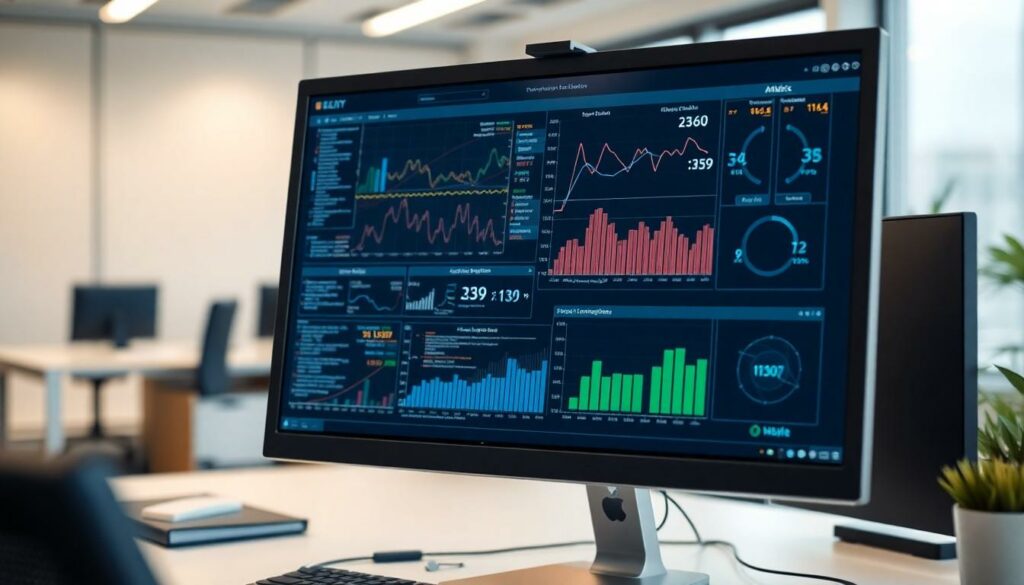
Companies increasingly rely on advanced technologies to detect the use of AI tools like ChatGPT. These methods help employers understand usage patterns while addressing privacy concerns.
Algorithms and Data Analysis
Employers leverage sophisticated algorithms to analyze text data for AI usage. Detection tools often compare writing styles, examining patterns unique to AI-generated content. Algorithms focus on syntax, grammar, and vocabulary diversity. They identify anomalies that suggest human writers versus AI tools. Data analytics also plays a key role, assessing user productivity metrics for discrepancies. Regularly, companies can uncover sudden changes in output or creativity that may hint at AI assistance.
Behavioral Indicators
Tracking employee behavior provides another layer of detection. Unusual communication patterns often emerge when someone uses ChatGPT. Rapid response times, for instance, might indicate reliance on AI. Consistent writing styles across various tasks can suggest AI assistance, especially if they deviate from past performance. Additionally, companies monitor internet usage to find trends in AI tool access. Recognizing these behavioral indicators helps employers form a clearer picture of AI tool usage in the workplace.
Implications for Employees
Employees face various implications as companies explore AI tool usage monitoring. Privacy concerns arise as monitoring technologies become more advanced. Employers may track internet activity and analyze communication patterns to ensure compliance with company policies. Transparency remains crucial, allowing employees to understand how their data is being used.
Employees may feel uneasy about work surveillance and its impact on trust relationships. Data privacy laws may also come into play, shaping how companies collect and store information. Companies must strike a balance between security and individual privacy, fostering a transparent environment.
Privacy Concerns
Privacy becomes a significant issue as employers implement tracking measures. Constant monitoring can create discomfort among employees, leading to a lack of trust. Policies should clearly outline monitoring practices, addressing what data is collected and why. Transparency helps mitigate fears regarding surveillance. Employees may worry about the misuse of collected information and potential repercussions. Awareness of workplace privacy rights can empower employees to engage in open discussions about surveillance practices. Recognizing data protection laws supports responsible monitoring, as companies must comply with regulations governing data collection and usage.
Workplace Policies
Workplace policies play a vital role in guiding AI tool usage. Companies should develop clear guidelines outlining acceptable practices and restrictions related to AI assistance. Employee training sessions can educate staff about these policies and their implications. By fostering a culture of accountability, organizations encourage ethical use of AI tools. Consulting employees during policy formation increases buy-in and helps address concerns. Regularly reviewing policies ensures they remain relevant in a rapidly evolving landscape. Incorporating feedback from employees about AI usage can enhance policy effectiveness and adapt to changing needs. Clear communication about policies builds trust and promotes responsible AI integration in daily tasks.
The Ethical Considerations
Employers face significant ethical challenges when monitoring AI tool usage. These challenges center around privacy, accountability, and the impact on workplace culture.
Transparency and Disclosure
Transparency serves as a foundation for trust in workplace environments. Employees benefit from knowing when monitoring occurs and what data is collected. Clear communication creates a shared understanding of policies. Providing regular updates about monitoring practices fosters openness. Employers should offer resources that explain how AI tools are integrated into workflows. Both parties can collaborate to establish guidelines that protect individual rights and promote responsible usage.
Responsible AI Usage
Responsible AI usage involves establishing clear expectations and guidelines. Organizations ought to create policies that define acceptable practices for AI tools. Employees need training that highlights both risks and benefits associated with AI assistance. Encouraging employees to report concerns strengthens accountability. Employers should recognize the need for ongoing discussions about ethical implications as technologies evolve. Striking a balance between leveraging AI’s benefits and respecting individual privacy remains crucial.
As companies navigate the complexities of AI tool usage like ChatGPT it’s crucial for them to strike a balance between monitoring and respecting employee privacy. The evolving landscape of AI detection methods presents both opportunities and challenges for organizations.
Transparent policies and open communication can foster trust and collaboration in the workplace. By involving employees in discussions about acceptable AI use and providing comprehensive training, companies can create an environment that promotes responsible AI practices.
Ultimately the goal should be to enhance productivity while ensuring that individual privacy rights are upheld. With thoughtful implementation of monitoring techniques and ethical considerations in mind companies can better adapt to the growing presence of AI in their operations.