
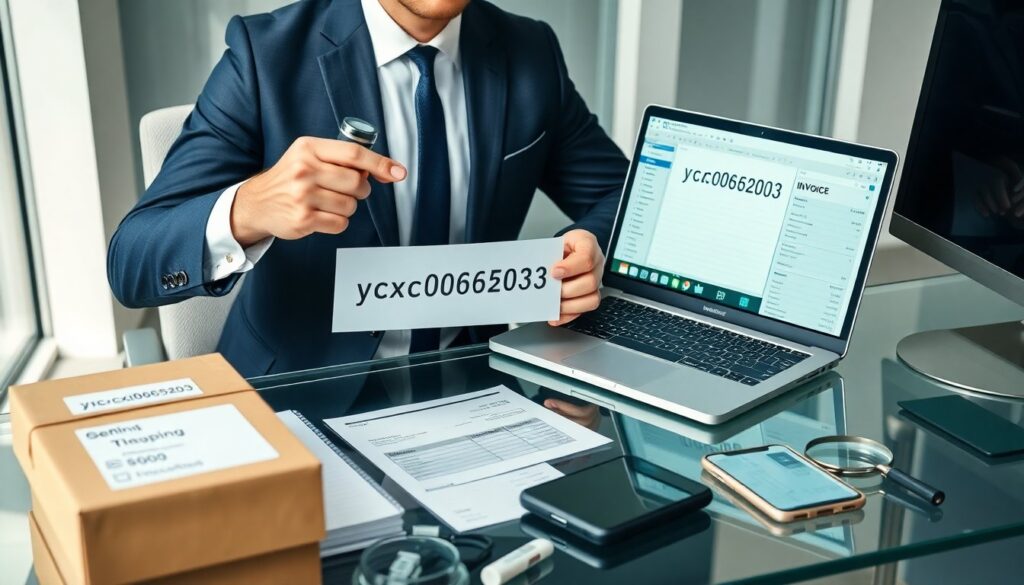
The string ycxcxx00065203 appears on a document or label. The reader sees ycxcxx00065203 and asks what it means. This guide gives clear steps to identify, decode, and verify the string. It focuses on common sources, structure clues, and quick checks the reader can run. The tone stays practical and precise to help the reader act fast when they find ycxcxx00065203.
Table of Contents
ToggleKey Takeaways
- The identifier ycxcxx00065203 likely serves as a tracking or product code linking to a database record or parcel in transit.
- Check the context where ycxcxx00065203 appears—such as emails, packages, invoices, or URLs—to determine its source and meaning.
- Break down ycxcxx00065203 into segments like prefixes and numbers to decode issuer information and serial numbers.
- Similar codes are commonly used for order IDs, shipment numbers, user tokens, and transaction references across various industries.
- If unfamiliar with ycxcxx00065203, use a step-by-step verification by searching internal systems, contacting senders, and using secure tracking portals.
- Always record responses and avoid entering personal credentials when verifying ycxcxx00065203 on public platforms for safety.
Overview: Possible Types Of Identifiers And Why They Matter
Identifiers like ycxcxx00065203 often serve a tracking, product, or transaction role. The reader should treat ycxcxx00065203 as a compact label that links to a record in a database or a parcel in transit. Systems use such identifiers to avoid ambiguity and speed lookups. Manufacturers, shipping firms, payment processors, and web services commonly issue strings similar to ycxcxx00065203. The reader benefits when they recognize the type: they can route questions to the right team, request the correct document, or verify authenticity.
How To Identify The Source: Where ycxcxx00065203 Might Come From
The user should check the context where ycxcxx00065203 appears. The context gives the best hint about the origin. If ycxcxx00065203 shows on an email, the sender likely generated it. If it shows on a package, the carrier likely created it. If it sits on an invoice, the vendor probably assigned it. If it appears in a URL, a web application likely produced it. The reader should note nearby labels, dates, and company names that sit next to ycxcxx00065203 and use them to narrow the source.
Signals In Context: Clues From Email, Packaging, Invoices, And URLs
Email headers often contain identifiers like ycxcxx00065203 in subject lines or message IDs. The recipient can open the email source to find message-id fields that match ycxcxx00065203. Packaging labels place such strings next to barcodes or service logos: the reader can match the format to the carrier’s tracking patterns. Invoices embed the string near order numbers or invoice IDs: the reader can check account portals for the same code. URLs sometimes include the string as query parameters. The reader can paste the URL into a browser to see which service responds to ycxcxx00065203.
How To Decode The Structure: Breaking Down ycxcxx00065203
The reader can split ycxcxx00065203 into blocks and test each block for meaning. Many identifiers follow a prefix-pattern-number format. The prefix often signals an issuing system. The middle block sometimes contains a category code. The trailing digits typically form a sequential or hashed number. The reader should try common splits, such as ycxcxx
|0006|5203 or ycxcxx0006|
5203, and then search internal records for matching segments. The reader should log any match to confirm the decoding method.
Common Patterns And What Each Segment Often Represents
A short alphabetic prefix in ycxcxx00065203 often indicates the issuer. The reader can match ycxcxx to vendor abbreviations or system codes. A run of zeros and digits usually represents a padded sequence. The reader should treat 00065203 as a serial number that a system pads to a fixed length. Mixed letters and numbers sometimes carry checksums. The reader can test whether altering one digit triggers validation errors on a portal that accepts ycxcxx00065203. That test helps reveal whether a checksum exists.
Common Uses And Real-World Examples Of Similar Codes
Tools and services use codes like ycxcxx00065203 for order IDs, shipment numbers, user tokens, and support tickets. Retailers print similar strings on receipts. Logistics providers place similar strings on waybills. Payment services embed similar strings in transaction references. The reader can look at account dashboards to find examples that match ycxcxx00065203. For instance, an e-commerce platform might show an order ID of the same format. The reader can compare formats across receipts to see which system uses the same pattern as ycxcxx00065203.
Troubleshooting And Verification Steps If The Code Is Unfamiliar
If ycxcxx00065203 remains unfamiliar, the reader should follow a short checklist. First, copy ycxcxx00065203 exactly and search internal systems and email archives. Second, contact the sender or vendor and provide ycxcxx00065203 for their lookup. Third, paste ycxcxx00065203 into the carrier or service tracking fields the reader suspects. Fourth, inspect barcodes and scan codes near ycxcxx00065203 with a scanner app to reveal linked data. Fifth, check timestamps and related order numbers to confirm a match. If a public portal accepts ycxcxx00065203, the reader should avoid entering personal credentials and instead use secure lookup fields. The reader should keep a record of responses that reference ycxcxx00065203 for future reference.