
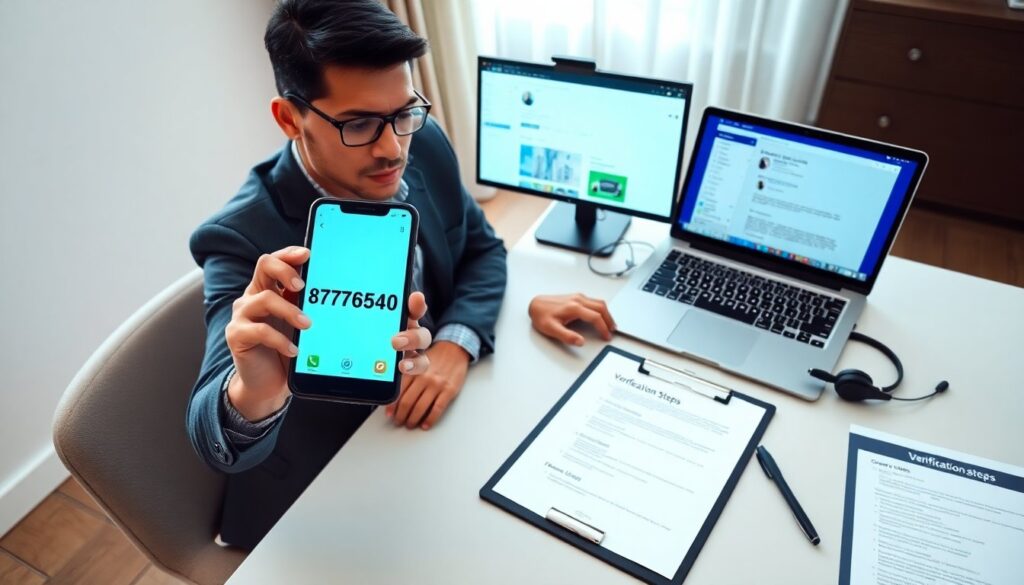
8777265640 appears in many reports. The reader wants to know who called, whether the call is safe, and what steps protect them. This article shows fast checks, clear verification methods, and a practical response plan. It uses simple language and stepwise advice for quick action.
Table of Contents
ToggleKey Takeaways
- 8777265640 is often reported and may be linked to scams using toll-free numbers to impersonate trusted companies.
- To verify 8777265640, use reverse lookup sites, check the FCC database for complaints, and contact the company via official channels.
- Be cautious of calls from 8777265640 that pressure for personal data, payments, or codes, and avoid sharing any sensitive information.
- Voicemail phishing and robocalls from 8777265640 can be detected by vague messages, poor grammar, and spoofed caller IDs.
- Always verify callers from 8777265640 by requesting written proof and contacting verified company numbers instead of returning calls directly.
- If contacted by 8777265640, follow a step-by-step response: do not share info, record details, verify claims, update security, and report suspicious activity.
Who Is Behind 877‑726‑5640? Quick Ways To Check Ownership
Start by searching the number 8777265640 on reverse lookup sites and on the caller ID app the reader trusts. The reader checks the result for registered business names and user reports. They check the number on the Federal Communications Commission (FCC) database for official complaints. They inspect the caller name shown on the phone and compare it to official company contact pages. If a search shows several user reports that call content is fraudulent, the reader treats the number as suspicious. If a business listing appears, the reader calls the company from a verified number to confirm the call.
Common Scam Patterns Associated With Toll‑Free Numbers Like 877‑726‑5640
Scammers often use toll-free numbers such as 8777265640 to sound legitimate. They mimic banks, utilities, and tech firms to get trust. They ask for passwords, social security numbers, or one-time codes. The caller may pressure the person to act now or face loss. The caller may claim a prize or a debt and request payment by gift card, wire, or cryptocurrency. The reader watches for requests to move money or reveal secure codes. The reader notes if the caller refuses to provide written proof or a corporate email address.
Voicemail Phishing, Robocalls, And Spoofing Signs To Watch For
A voicemail that urges immediate action may come from 8777265640 or from a spoofed number. The reader listens for vague details and poor grammar in the message. The reader checks whether the message asks for a password, code, or bank details. The reader verifies if the caller ID matches the displayed number and if the live person reads a script with no specific account information. The reader treats automated calls that repeat the same threat the same way they treat aggressive live calls: with skepticism and verification.
How To Verify A Caller Safely Without Giving Away Personal Information
The reader requests a caller name, company address, and callback number. The reader notes the number that calls and does not use it for callback. The reader finds the company phone number on an official website and calls it directly. The reader asks the caller for a written email and then verifies that email domain matches the official company domain. The reader never gives one‑time codes, passwords, or bank details over the phone. The reader uses a secondary device to check account status online rather than trusting a caller’s claim.
If You’ve Been Contacted By 877‑726‑5640: Step‑By‑Step Response Plan
Step 1: Stop and do not share codes or payments. Step 2: Record the call time, number, and exact wording. Step 3: Verify the claim through official channels, such as the company website or bank app. Step 4: Change passwords and enable two‑factor authentication if the caller knew account details. Step 5: Place fraud alerts with credit bureaus if the caller asked for financial data. Step 6: Save screenshots of any texts or emails tied to the call for later reporting.